Relational and psychosocial interventions · Compassion science · Care ethics · Community-engaged research
I study how relational and psychosocial interventions work, for whom, and under what conditions, particularly in the context of chronic illness, disability, and health inequities.
My work specializes in compassion and care ethics, using participatory and realist approaches to develop explanatory theory and inform responsive, equitable interventions, services, and systems.
I am a health services and implementation scientist with nearly two decades of experience spanning applied health research and practice, patient and family partnership, human-centred design, and community-engaged research.
My distinctive methodological capabilities combine realist inquiry, co-production, arts-based and visual methods, human-centred design, and implementation science. I use these approaches to understand not only whether an intervention works, but how people interpret and respond to it, which mechanisms are activated, and how relational, organizational, and social conditions shape what becomes possible.
My programme of research is developed and tested across populations and transitions where psychosocial support is often consequential but unevenly available. These include emerging adults living with childhood-onset physical health conditions, children and families. Rather than treating these as separate research identities, I use them as contexts in which explanatory theory can be tested, refined, and extended.
My perspective is also shaped by sustained work within health systems and by lived-experience-informed research and advocacy. That combination gives me an unusually close view of how interventions are designed, implemented, experienced, and sometimes fail to fit the people they are intended to support.
I work across disciplinary, institutional, professional, and lived-experience boundaries. That boundary-spanning role is not an absence of specialization: it is anchored in a distinct research identity centred on relational mechanisms, psychosocial intervention, community-engaged inquiry, and explanatory theory for more responsive systems of care.
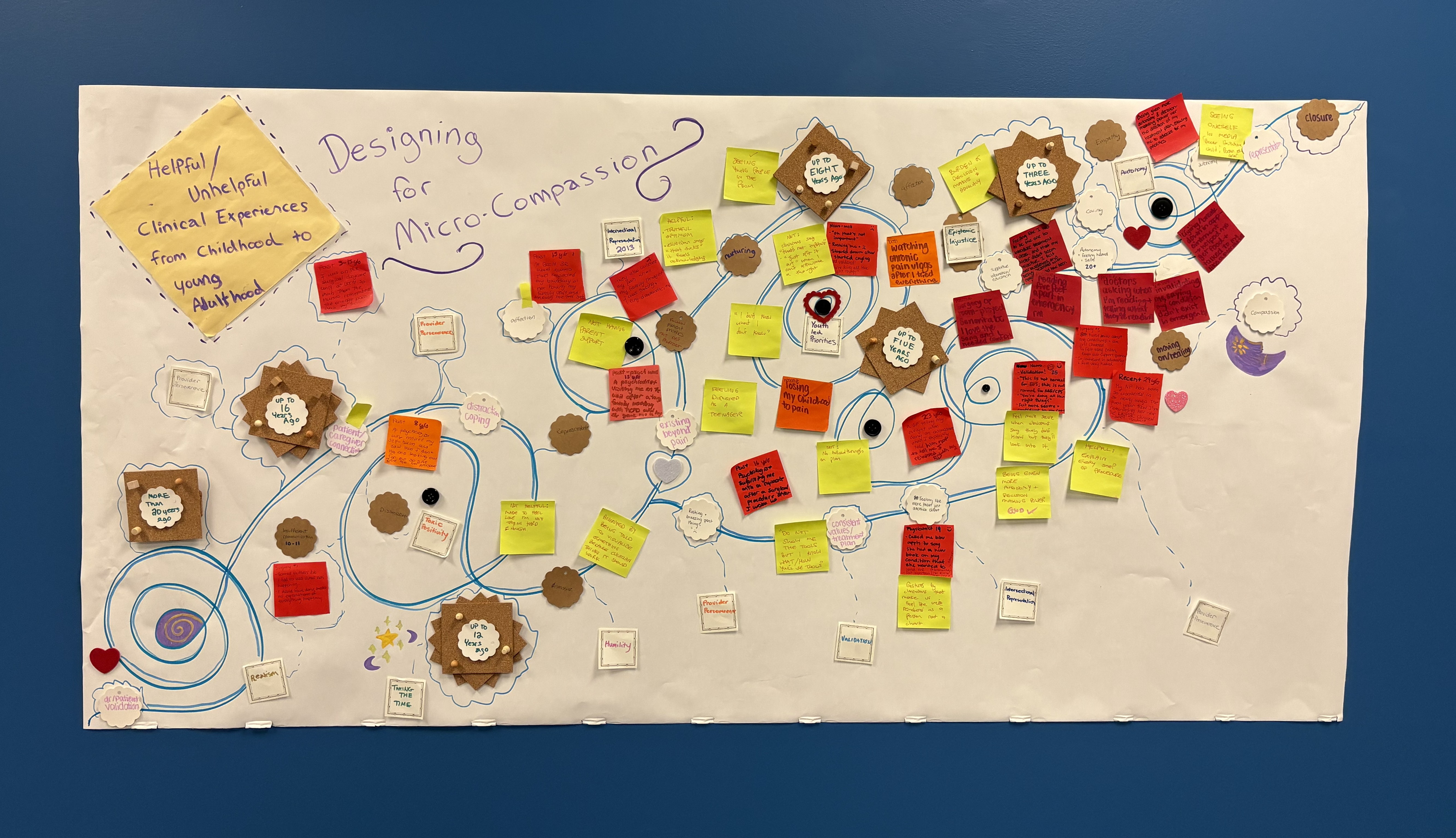
Context and longitudinal embeddedness
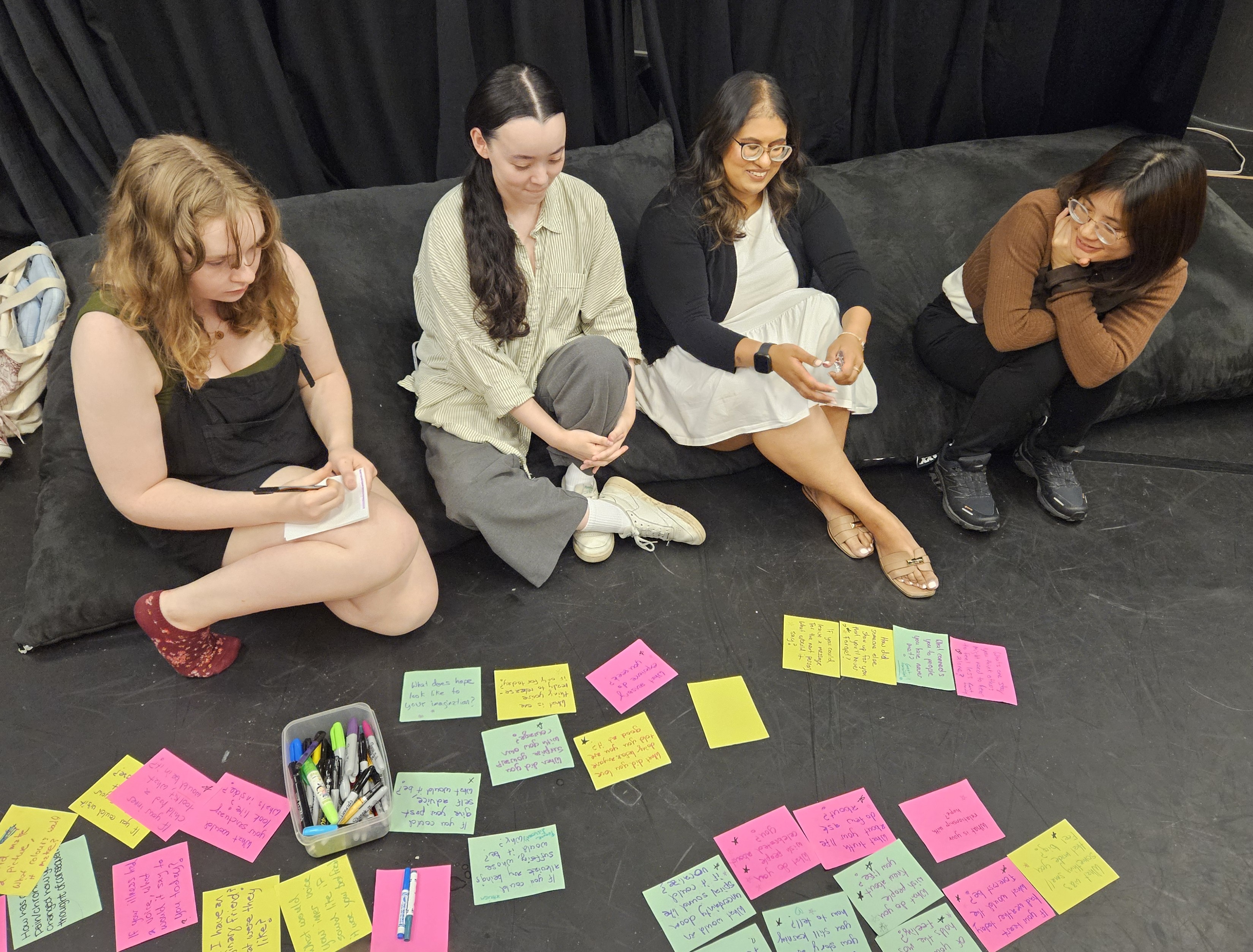
Collaborative co-inquiryPattern-making and design translation
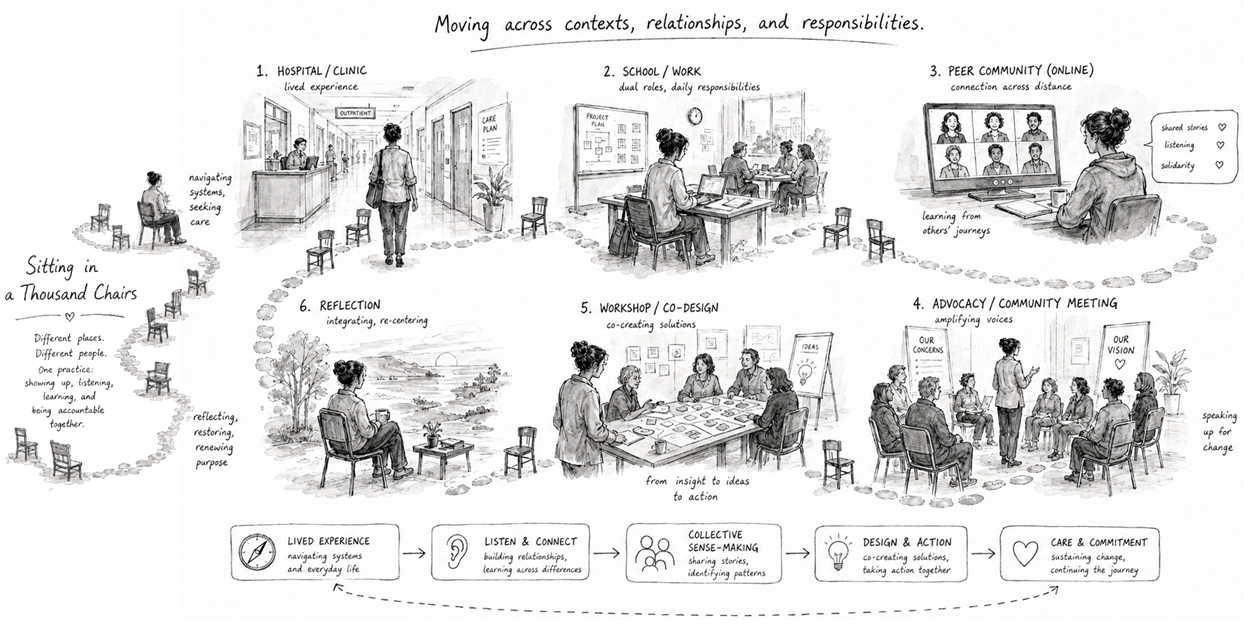
How I work: moving between lived realities, participatory inquiry, collaborative sense-making, and design.
Compassion by Design
Compassion by Design is my programme of research examining how compassion can be understood, enacted, and designed to support psychosocial wellbeing.
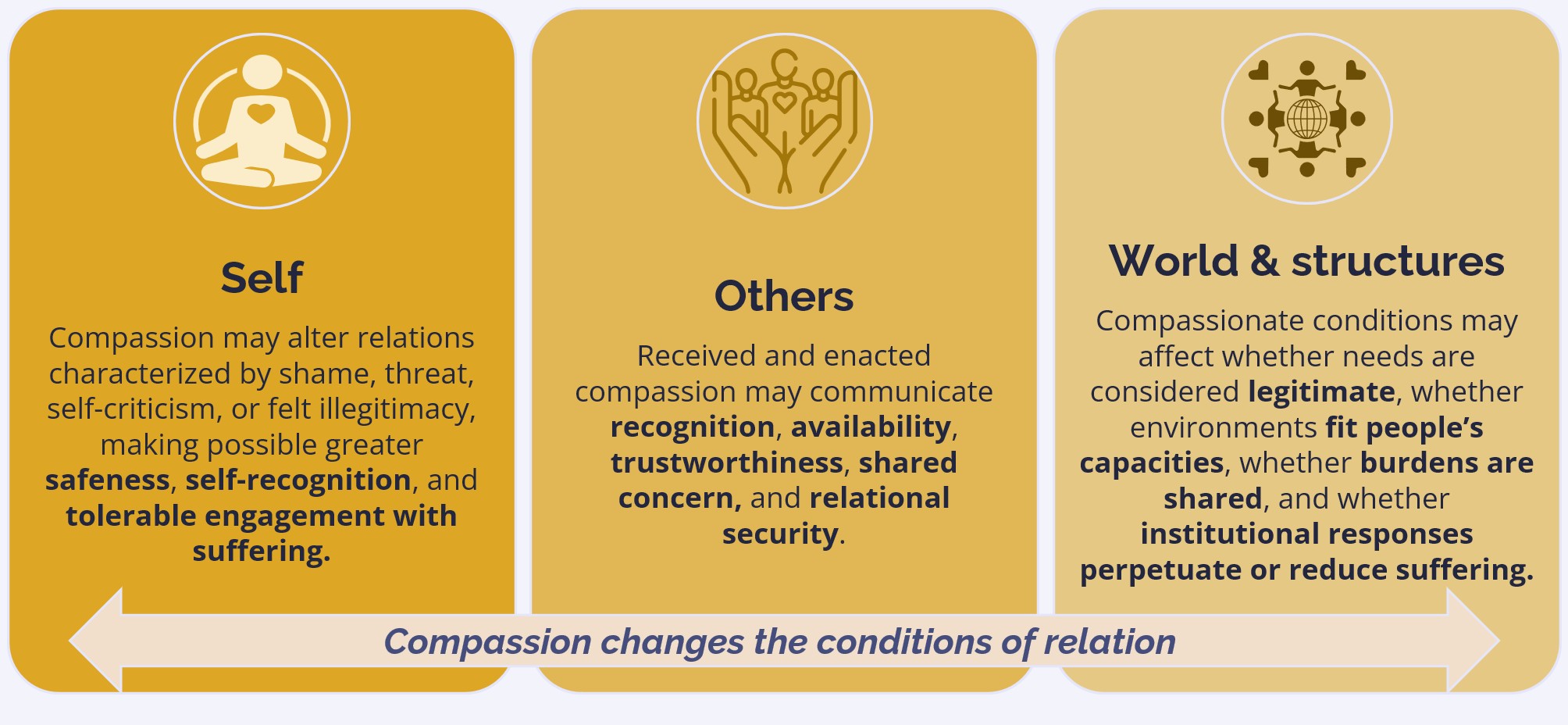
It grew from my doctoral research with emerging adults living with childhood-onset chronic physical conditions, which developed an integrative programme theory and a co-produced, evidence-informed framework for designing compassionate psychosocial supports. At its centre is the proposition that compassion changes the conditions of relation: how suffering is recognized, how people understand themselves and one another, and whether support becomes possible.
Compassion may change relational conditions across the self, relationships, and wider social and institutional structures.
I currently lead a virtual research lab with four emerging-adult researchers with chronic physical conditions. Together, we are advancing participatory approaches to realist theory development and extending the programme through synthesis, methodological research, and intervention design.
The programme is intentionally transdiagnostic and multilevel. Its theory can be tested and refined across different populations and settings, including emerging adults with chronic illness and disability, children and families, while asking a consistent explanatory question: what forms of compassionate response help, for whom, through which mechanisms, and under what relational, organizational, and social conditions?
Selected work & outputs
Selected work tracing the intellectual development of Compassion by Design, its explanatory theory, and the participatory methods that support the programme.
2017Earlier work
Evoking Deep Connections by Embodying Another's Reality
An early articulation of questions that continue through my current programme of research: how embodied and immersive experiences can help people encounter another person's reality, where perspective-taking falls short, and what it means to design technologies for deeper relational understanding.
My doctoral research, Compassion by Design: A Co-Produced Framework for Digital Psychosocial Interventions – A Realist and Transdisciplinary Inquiry with Emerging Adults Living with Chronic Illness, developed the programme theory and design framework that anchor my current research. The work identifies how compassion may change relational conditions across the self, relationships, and wider systems, and translates those explanations into principles for psychosocial intervention design.
A completed realist synthesis examining how, why, for whom, and under what conditions compassion influences psychosocial wellbeing. The synthesis developed explanatory configurations across relational and contextual levels that provide the theoretical foundation for subsequent intervention and implementation research. Current work is auditing these explanations and conducting a focused update of the evidence base.
Participatory realist inquiry and methods development
Ongoing methodological work examines how people with lived experience can participate directly in realist theory development, evidence interpretation, and the testing of rival explanations. This work is being advanced with a virtual lab of four emerging-adult researchers living with chronic physical conditions and is informing a series of methods and design publications.
Proceedings from ICIC26 are now published in theInternational Journal of Integrated Care. Co-authored with Tatiana Losev, this paper presents Compassion by Design as an approach to psychosocial gaps and chronic health challenges through co-produced theory and digital intervention research.
Upcoming presentations and selected recent developments from my research, teaching, and community-engaged work.
Upcoming
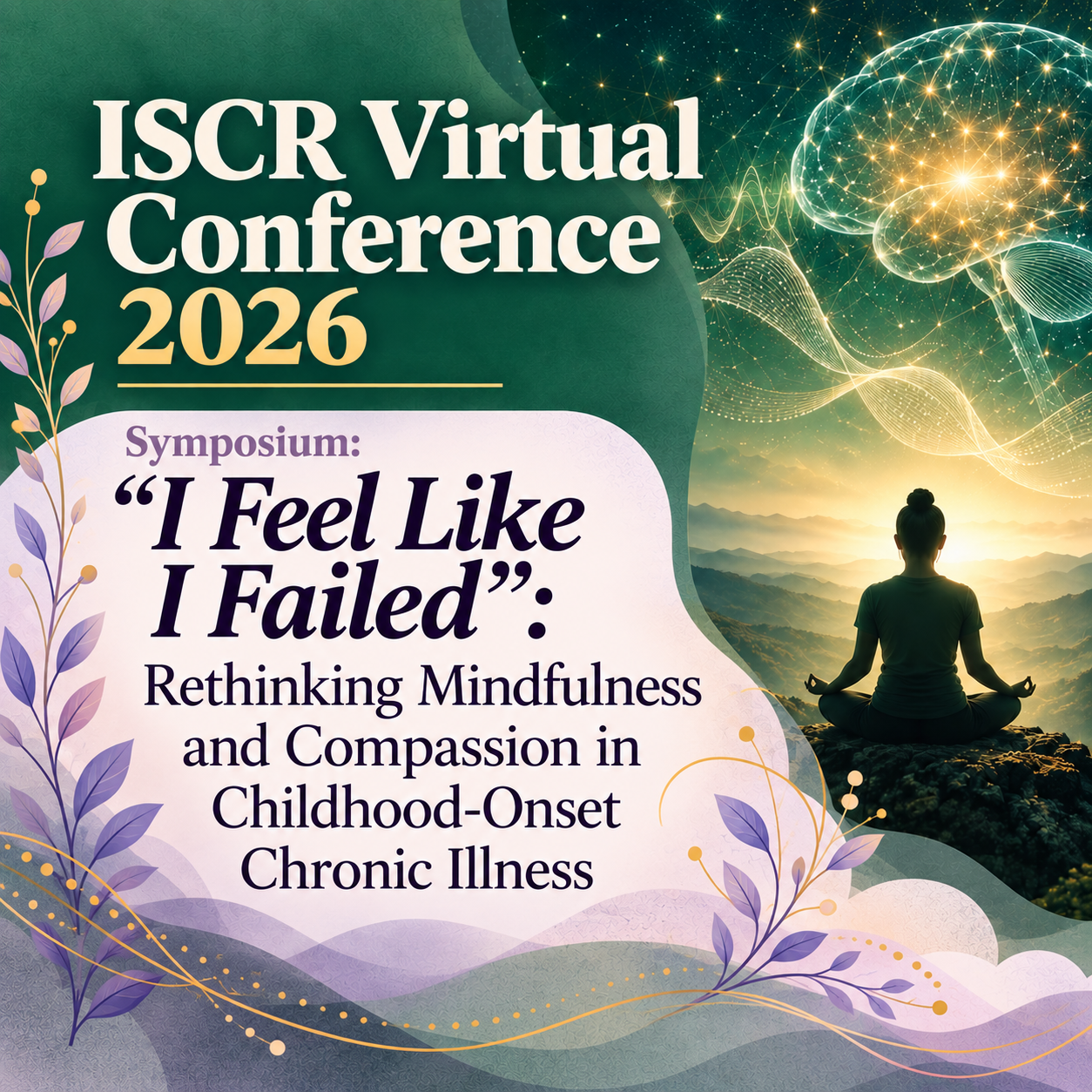
“I Feel Like I Failed”: Rethinking Mindfulness and Compassion in Childhood-Onset Chronic Illness
International Society of Contemplative Research 2026 Virtual Conference · Symposium ·
I will convene a symposium examining how mindfulness and compassion are experienced, interpreted, and supported in the context of childhood-onset chronic illness.
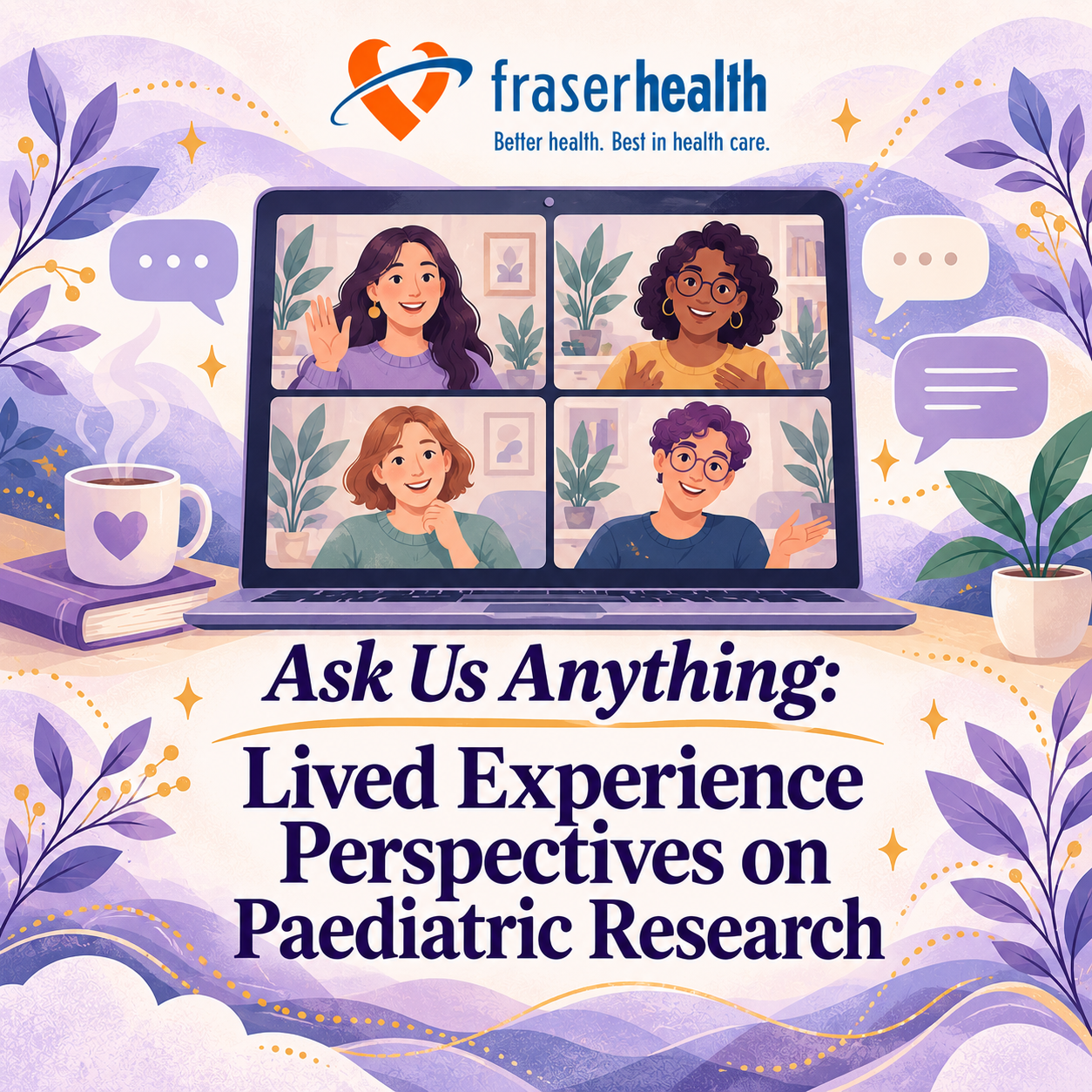
Ask Us Anything: Lived Experience Perspectives on Paediatric Research
Fraser Health · Department of Evaluation and Research Services ·
The Compassion by Design research team led an interactive lived-experience panel for Fraser Health staff on childhood-onset chronic illness, navigating health and social care, participating in research, and designing more responsive systems and studies.
CanChild Centre for Childhood-Onset Disability Research · Winter 2026 cohort ·
I served as a co-instructor for a youth-adapted Family Engagement in Research course that brought together 26 young people and researchers to explore meaningful youth engagement in research. The cohort was supported through a CIHR Healthy Youth Catalyst Grant.
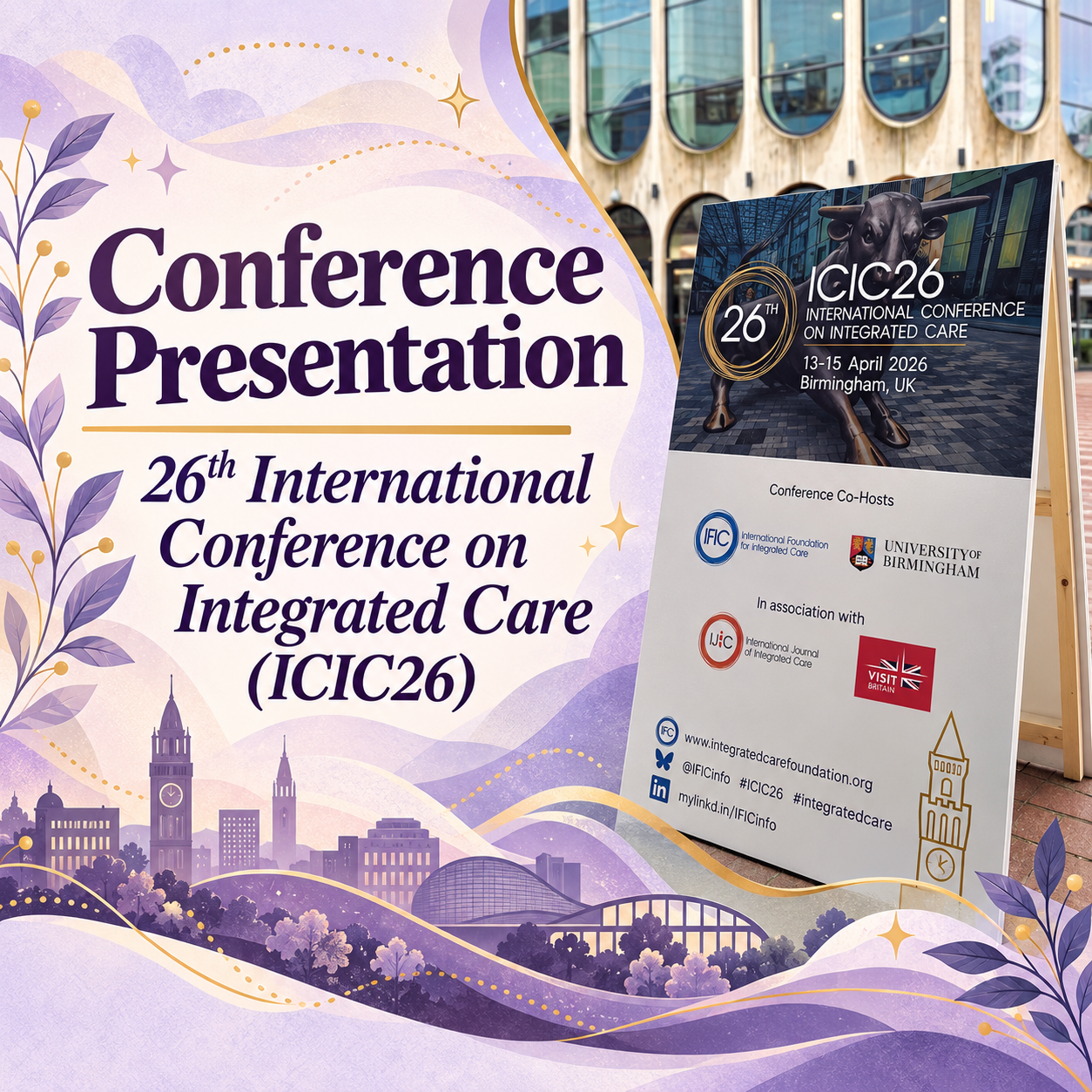
26th International Conference on Integrated Care · Birmingham, UK · 13–15 April 2026
I presented Compassion by Design with co-author Tatiana Losev, focusing on psychosocial gaps in chronic illness and the development of co-produced theory and digital interventions. The conference also created opportunities to connect with international realist researchers and the Child, Youth, and Family Special Interest Group.
Self-compassion and temporal wellbeing after a VR experience
IEEE ISMAR-Adjunct · Daejeon, Korea · October 2025
Collaborative work presented at ISMAR examined self-compassionate engagement and cultural background in relation to changes in emerging adults’ temporal wellbeing following a virtual reality experience.
Leveraging Virtual Reality for Coping, Resilience, and Compassion
Tenth Annual Women’s Health Research Symposium ·
I was invited to present research on virtual reality, compassion, and wellbeing for emerging adults facing chronic health challenges, followed by an interactive audience Q&A with fellow presenters and moderator Beth Payne.
My research programme received the inaugural Laurisa S. Dill Legacy Award for Compassionate Design Approaches: Co-Developing Digital Therapeutics with Emerging Adults. The award supported the development of a virtual living lab in which emerging-adult community researchers work as paid research assistants alongside researchers and practitioners.
Halfway to the Future Symposium · Santa Cruz, USA ·
With colleagues, I presented our collaborative autoethnography on liminality, lived experience, and boundary-spanning research. The work examines “inbetweeny” identities and the limits of dichotomous categories for researchers whose lived and professional worlds overlap.
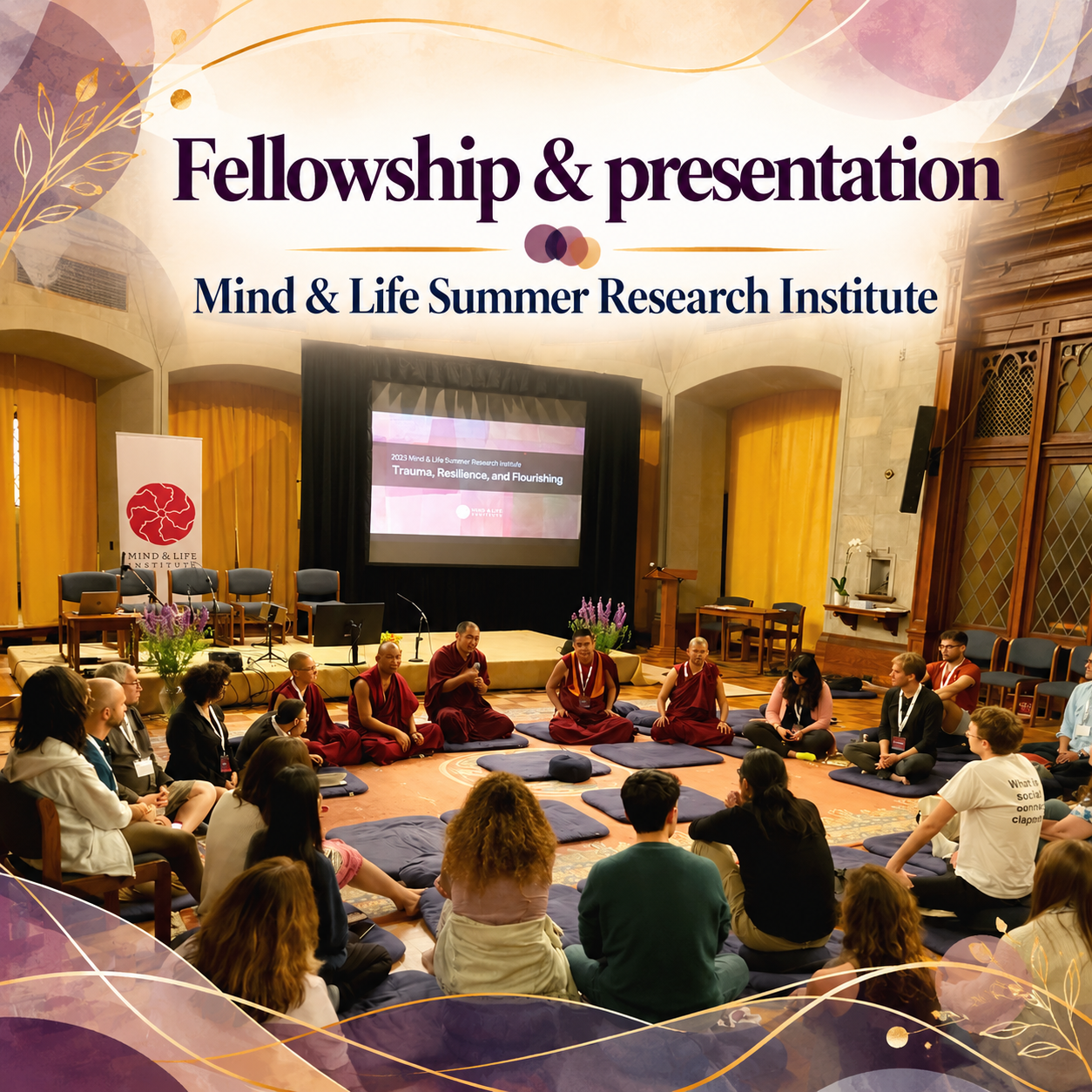
Mind & Life Summer Research Institute · Garrison, New York ·
I presented early Compassion by Design research and gathered ethnographic insights at the 2023 Summer Research Institute, centred on trauma, resilience, and flourishing. I attended with support from a Mind & Life Summer Research Institute Travel Scholarship.